

 Back to Blogs
What Are the Benefits of Replacing an Old Entry Door?
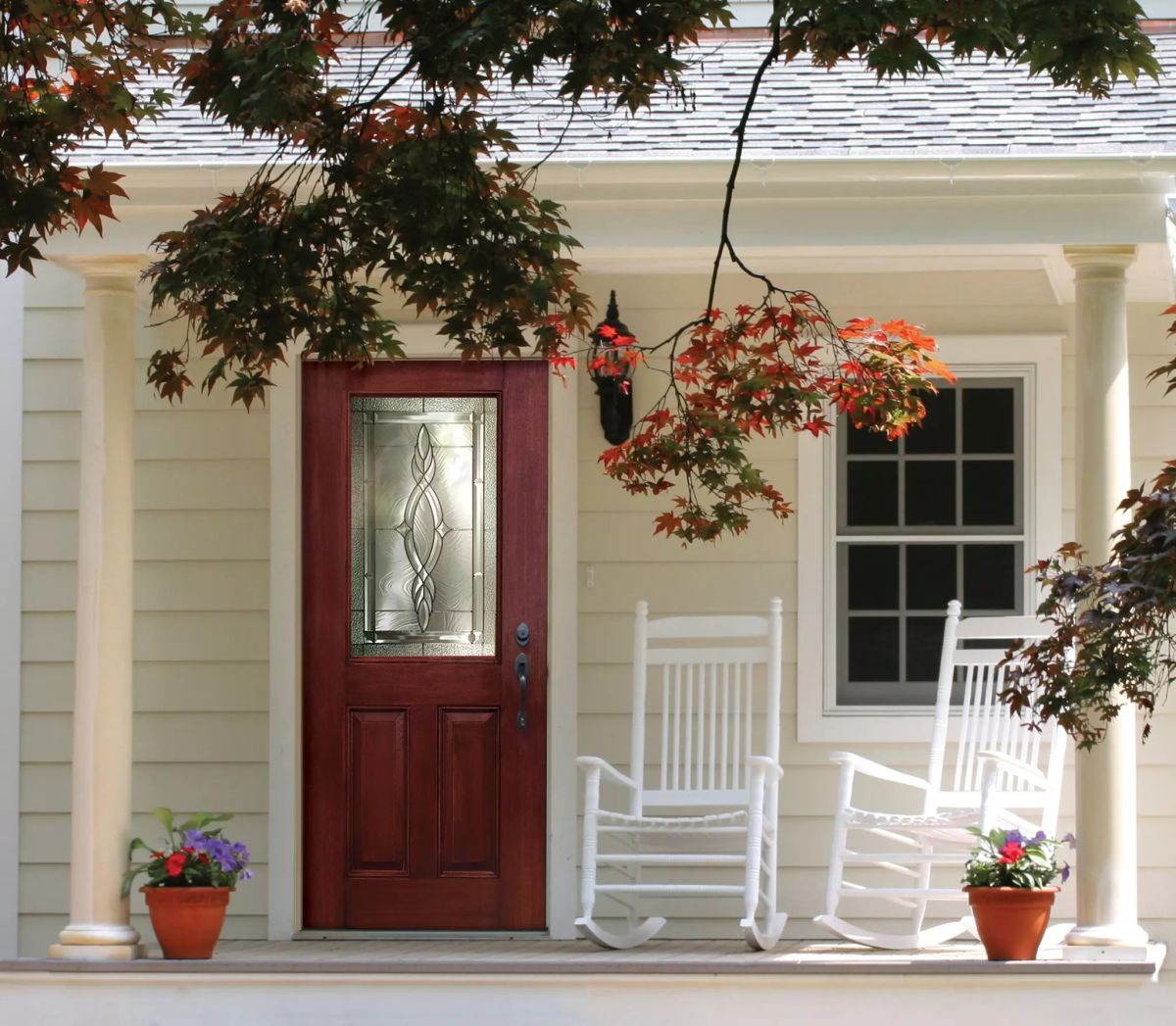
Replacing an old entry door improves security, reduces drafts, lowers energy waste, and gives the front of the house a fresh look. Entry door replacement also stops small problems like sticking, warping, and soft spots from spreading into the frame and the floor beneath it.
Most homeowners notice the warning signs long before they act. The door needs a shoulder shove to close. A thin line of daylight shows along the bottom edge. The paint peels again, one year after repainting. Below, we break down what a new door actually changes, which materials hold up best, and how to tell whether yours has reached the end of its life.
Top Benefits of Replacing an Old Entry Door
An entry door does more work than any other door in the house. It opens and closes dozens of times a day, takes direct sun and rain, and stands between your living space and the outdoors. Here are the main benefits of swapping a tired one for a new one:
Lower Energy Waste and Fewer Drafts:
Old doors leak air. Weatherstripping flattens, the threshold wears down, and the door slab shrinks or swells with the seasons. Each gap lets heated or cooled air out and lets dust and humidity in.
A modern insulated entry door has a foam core sealed inside the skin and a tighter frame. Some fiberglass models list up to four times the insulation value of wood. That means steadier indoor temperatures and less work for your heating and cooling system.
Stronger Home Security:
Age weakens security in quiet ways. Screws loosen, strike plates split the wood around them, and the frame flexes under force. A lock is only as strong as the material holding it.
New home security features are built into the system, not added later. Multi-point locking hardware latches the door at several spots along its edge. Quality deadbolts and electronic locksets add another layer. A solid, square frame keeps all of it working together.
Better Curb Appeal:
The front door is the first thing visitors and neighbors see. A faded, scratched, or mismatched door drags down the whole facade, even when the siding and windows are fine.
A new door lets you reset the look of the house. Current options include:
Woodgrain finishes that copy oak, mahogany, or cedar
Smooth, paintable surfaces in a wide range of factory colors
Modern designs with clean lines and angled glass
Sidelites and transoms that widen the entry
Strong curb appeal also tends to help when it is time to sell, since buyers form an opinion before they step inside.

Better Weather Resistance and Less Upkeep:
Wood absorbs moisture. In humid climates, it swells, sticks, and eventually rots at the bottom edge. Steel resists swelling but dents easily, and scratches can rust.
Modern fiberglass entry doors avoid both problems. The skin does not rot, warp, twist, or bow like wood, and it does not dent or rust like steel. That weather resistance means fewer repaint cycles and fewer repair calls over the years.
More Privacy and Natural Light:
Old doors usually force a trade. Solid slabs give privacy but leave the foyer dim. Clear glass brightens the room but shows everything inside.
Today you can have both. Frosted and textured privacy glass lets light through without a clear view. Some doors even include blinds sealed between the glass panes, so there is nothing to dust or tangle.
Added Value and Fewer Surprise Repairs
A fresh door is a visible, practical upgrade that improves both the look and the function of your entrance. It also removes the repair guesswork. Instead of patching, sanding, and repainting every season, you replace a failing part once.
How to Know It Is Time for Entry Door Replacement
Age matters less than condition. A well-built door can outlast a cheap one by decades. Look for these signs:
- The door sticks, scrapes, or no longer latches without force.
- You can see light around the edges when the door is closed.
- The bottom edge is soft, stained, or crumbling.
- The slab is cracked, dented, or bowed.
- Your energy bills climb while the weather stays the same.
- The lock feels loose, or the frame is splitting near the strike plate.
If you check two or three of these, a repair may only delay the inevitable. Full front door replacement usually costs less over time than repeated fixes.
Choosing a Material: Quick Comparison
Each material has trade-offs, and the right pick depends on your climate and budget.
- Wood: Beautiful and traditional, but it needs regular sealing or painting and reacts to moisture.
- Steel: Strong and affordable at the start, but it dents and can rust once the surface is scratched.
- Fiberglass: Holds its shape, resists moisture, and can be stained or painted to resemble wood.
For most homes, the steel vs. fiberglass question comes down to long-term upkeep. Fiberglass asks for less of it.
Planning the Project
Professional door installation matters as much as the door itself. A perfect slab in a crooked frame will still leak and stick. Measure the opening, confirm whether you want sidelites or a transom, and decide on hardware and glass before you order. Many standard replacements take a few hours to a day, while custom openings take longer.
Bottom Line
An old entry door costs you money and comfort a little at a time. A new one pays back through lower energy waste, better security, less maintenance, and a front entrance you are proud of. If your door sticks, leaks, or shows rot, entry door replacement is a practical upgrade, not a luxury. Match the material to your climate, insist on quality installation, and the result should last for years. If you are planning your own project in the Texarkana area, Window World of Texarkana offers entry doors and free quotes.
Frequently Asked Questions
-
Look for sticking, drafts, visible light around the edges, soft or rotted wood, and a loose lock. Two or more of these signs usually mean replacement beats repair.
-
Yes. An insulated door with fresh weatherstripping and a tight frame reduces air leaks, so your heating and cooling system works less.
-
Fiberglass is a popular choice because it resists rot, rust, and dents and needs little upkeep. Wood offers classic looks but needs more care.
-
A standard single door often takes a few hours to one day. Doors with sidelites, transoms, or custom framing take longer.
-
For doors that leak, stick, or rot, usually yes. You gain security, comfort, curb appeal, and fewer future repairs.
-
Many can. Smooth fiberglass doors take paint well, and woodgrain fiberglass doors accept stain, so you can match your home's style.