

 Back to Blogs
What Is the Difference Between a Fiberglass and Steel Entry Door?
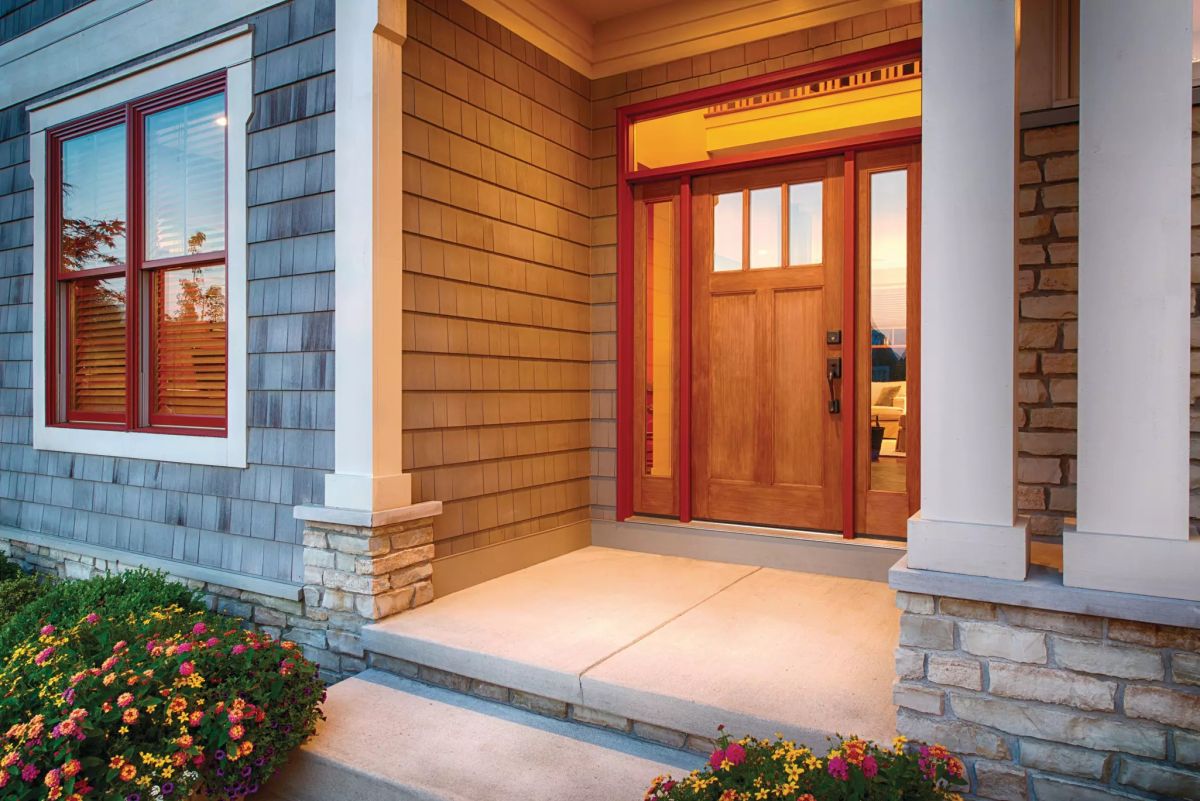
The main difference is the skin. A fiberglass door has a molded composite shell that resists moisture, dents, and rust. A steel door has a metal shell that is strong and usually cheaper, but it can dent, scratch, and rust over time.
That one difference shapes a lot of what follows. If you are planning an entry door replacement, it affects how the door looks in five years, how it handles humid weather, how much upkeep it needs, and how well it holds indoor temperatures. Both materials can protect a home. The better pick depends on your climate, your budget, and how much maintenance you are willing to take on.
Fiberglass vs. Steel Entry Doors: Key Differences to Consider
Here is how the two materials compare on the factors that matter most to homeowners.
- Construction: A fiberglass door has a composite skin, often pressed with a woodgrain or smooth texture, over an insulating core. A steel door has a sheet metal skin, usually over a foam core.
- Durability: Fiberglass will not rot, warp, twist, or bow like wood, and it will not dent or rust like steel. A moving box corner or a bike handlebar can dent a steel panel. If the paint chips, the bare metal underneath can start to rust.
- Insulation: Metal conducts heat more readily than fiberglass, so a steel skin can feel hot or cold to the touch. Fiberglass doors can offer up to four times the insulation value of wood, which supports steady indoor temperatures.
- Appearance: Woodgrain fiberglass can mimic oak, mahogany, and cedar, and it takes stain. Smooth fiberglass is paintable. Steel is generally smooth and painted, so it cannot match a real grain texture.
- Security: Steel has a reputation for toughness, but fiberglass is also solid. In practice, security depends more on the frame, hinges, deadbolt, strike plate, and multi-point locking hardware than on the skin alone.
- Cost: Steel typically costs less up front. Fiberglass usually costs more to buy but less to keep looking good.
- Maintenance: Steel needs quick touch-ups when paint is scratched. Fiberglass mostly needs cleaning and an occasional fresh finish.
| Feature | Fiberglass | Steel |
| Dents | Resists denting | Can dent |
| Rust | Does not rust | Can rust if paint is breached |
| Wood look | Realistic grain and stain | Painted finish only |
| Insulation | Skin does not conduct heat like metal | Skin conducts heat |
| Upfront price | Usually higher | Usually lower |
| Upkeep | Low | Low to moderate |
A good fiberglass entry door can work as a long-term front door replacement because the skin stays stable through years of weather swings. Look for a door that carries a respected third-party seal. The Good Housekeeping Seal has been granted to select Window World entry doors, which is one example of that kind of outside check.

Fiberglass vs. Steel Entry Doors: Which Is Better for Different Climates?
For most climates, fiberglass is the safer long-term choice. Steel can work well in dry, mild areas, but moisture and temperature swings are where the two materials separate.
- Hot and humid climates: In places like Northeast Texas and Southwest Arkansas, long summers and frequent rain keep moisture in constant contact with a door. Damp air contributes to peeling paint, swelling, and rot in materials that cannot handle moisture well. Fiberglass is built to shrug that off. Steel holds up fine until a scratch or a worn spot lets moisture reach the metal.
- Cold climates: A steel skin can transfer cold into the entryway, so you may notice chilly edges and condensation on the interior surface. Fiberglass does not conduct cold the same way. It also does not swell or shrink the way wood does during freeze and thaw cycles.
- Sunny, exposed entryways: A west-facing door with no porch cover takes the hardest hit from sun and rain. Dark colors absorb more heat on any material. Fiberglass keeps its shape under that stress, though any finish fades over time, so plan on refreshing it eventually.
- Covered porches: A door shielded by a deep porch faces fewer weather problems. In that case, steel can be a sensible budget choice, as long as you touch up scratches quickly.
When shopping, ask four questions:
- Does the door face the weather directly?
- How often am I willing to repaint or touch up?
- Do I want the look of real wood?
- Is long-term performance worth a higher upfront price?
Your answers usually point to the right material fast. If energy savings and low upkeep rank high, energy-efficient entry doors in fiberglass tend to be the stronger match. If the lowest purchase price rules and the porch is covered, steel deserves a look.
Bottom Line
Fiberglass and steel can both secure a home, but they age differently. Fiberglass resists dents, rust, rot, and warping, and it offers realistic woodgrain or paintable smooth finishes with stronger insulation. Steel costs less up front but asks more of you over time, especially in humid or exposed settings. For most homeowners planning an entry door replacement, fiberglass is the more dependable investment. Match the material to your climate, your entryway, and your budget, and the choice gets easy. Homeowners in Northeast Texas and Southwest Arkansas who want to see durable fiberglass options can browse the entry doors from Window World of Texarkana.
Frequently Asked Questions
-
For most homes, fiberglass is better because it resists dents, rust, rot, and warping with little upkeep. Steel suits tight budgets and covered entryways.
-
Yes, when installed with a solid frame, quality deadbolt, and strike plate. Security depends more on hardware and installation than on the skin material.
-
Fiberglass resists cracking, but the sun can fade any finish over time. Refreshing the paint or stain every so often keeps it looking new.
-
Fiberglass is best for humid weather because it does not absorb moisture, rust, or swell. Steel can rust if its paint is scratched or worn.
-
Yes. Woodgrain fiberglass mimics oak, mahogany, and cedar and accepts stain, so you get the look without the upkeep of real wood.